What Does an Electrical Inspection Include in Ocean City, NJ? A Homeowner’s Guide
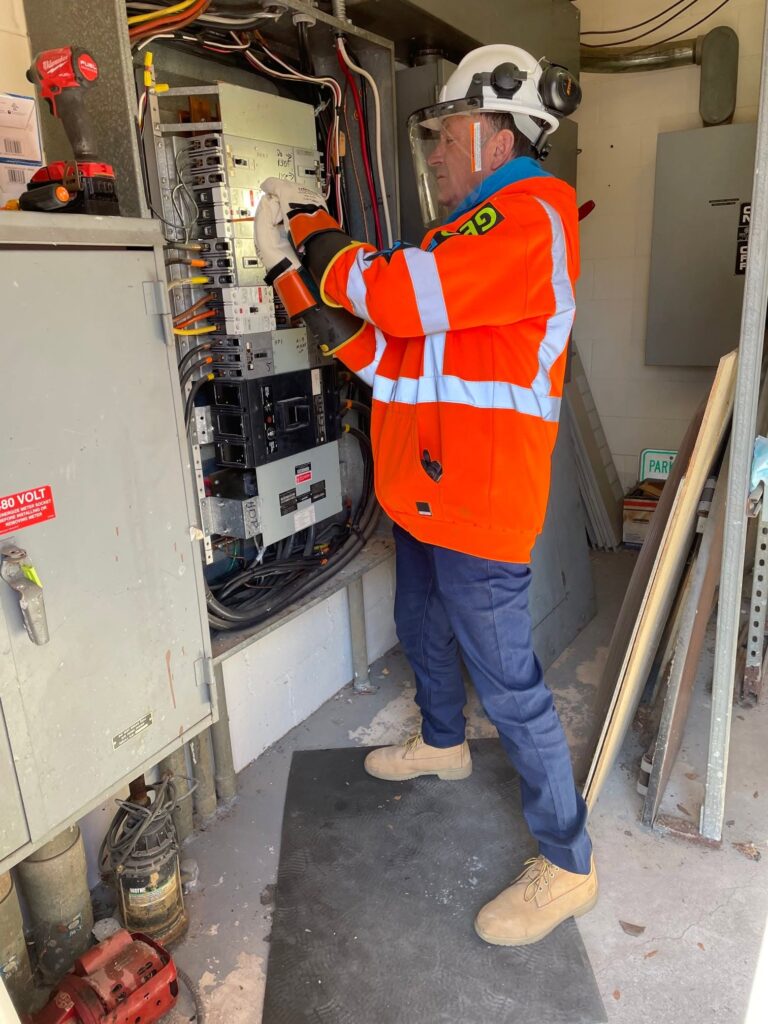
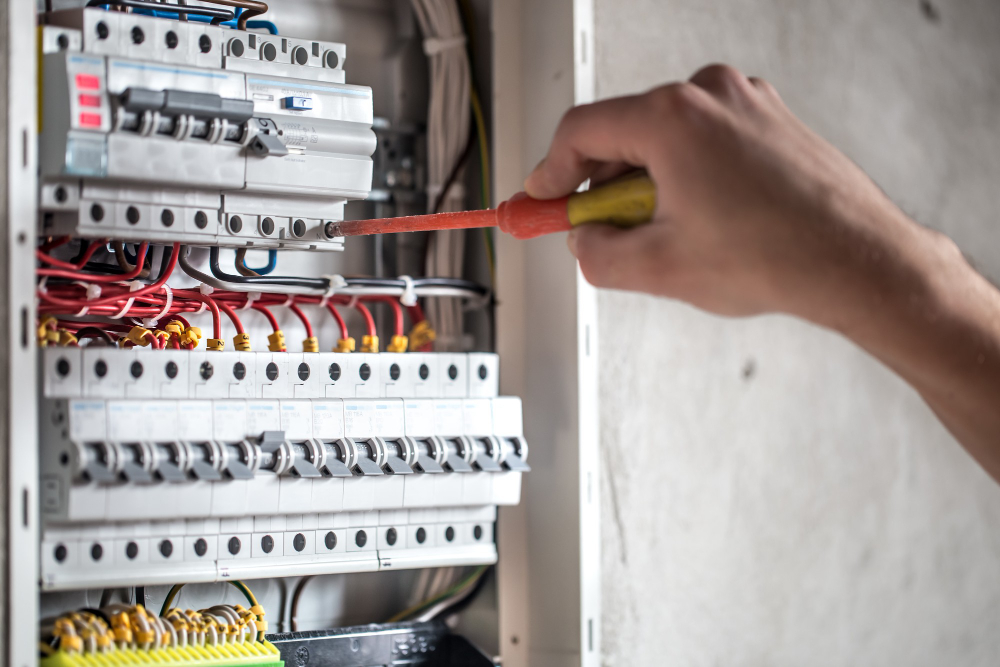
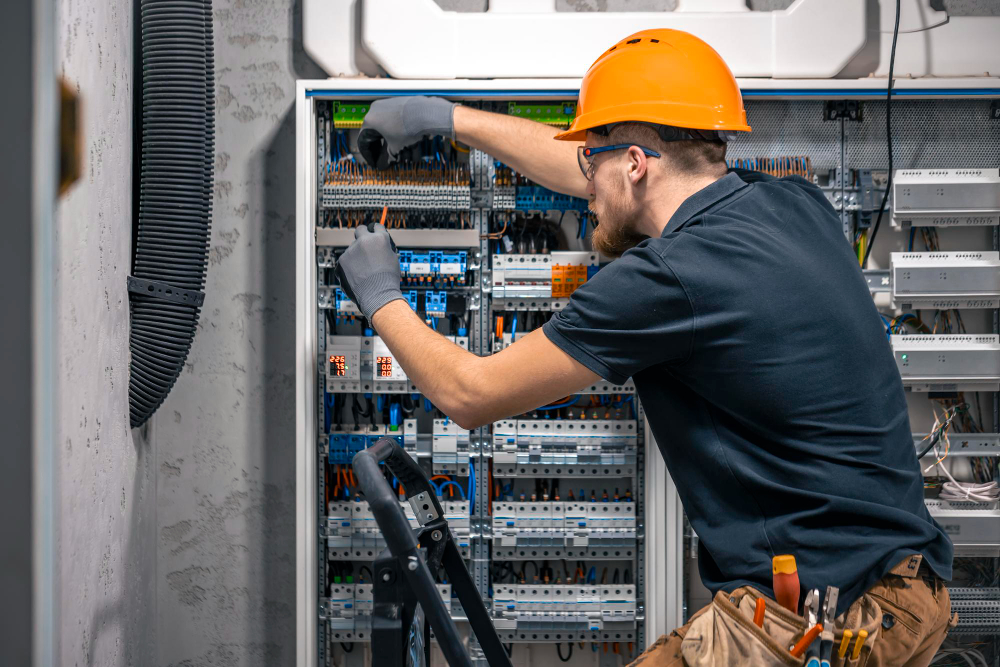
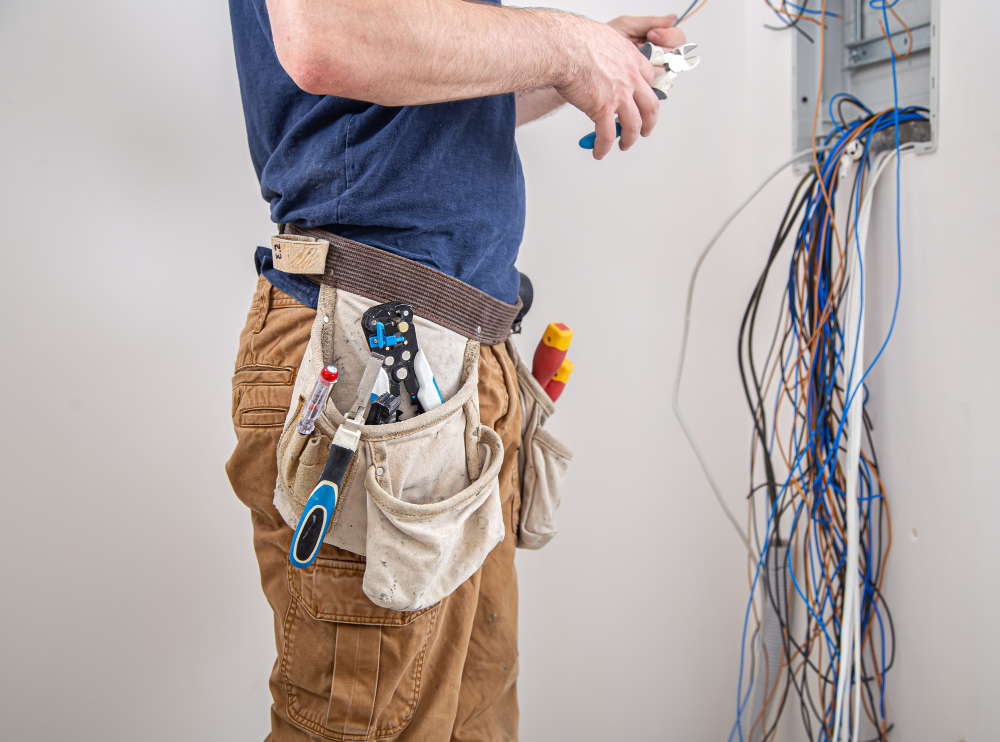
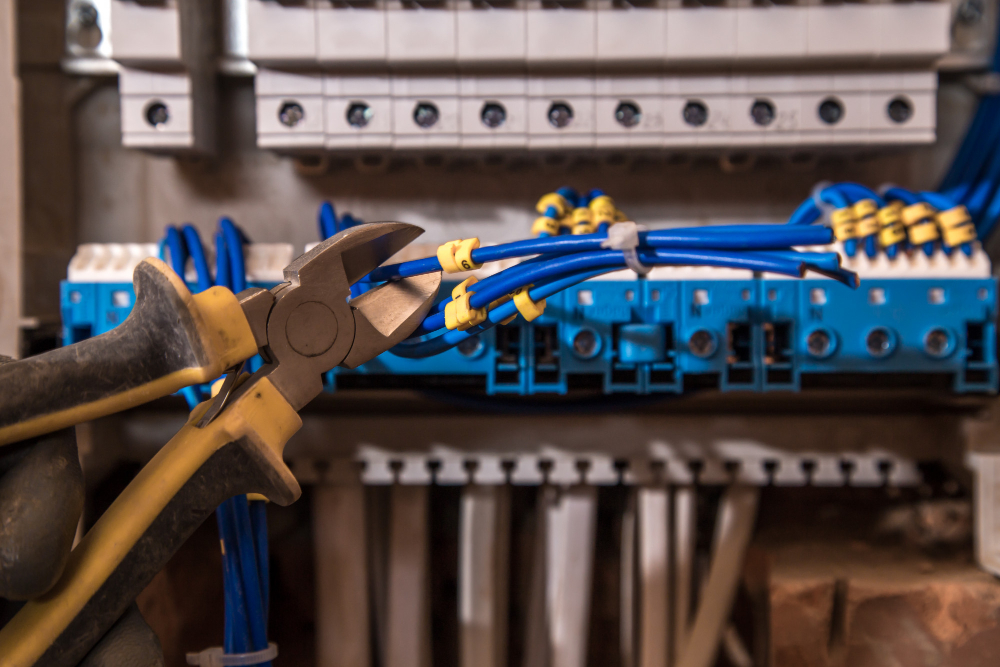
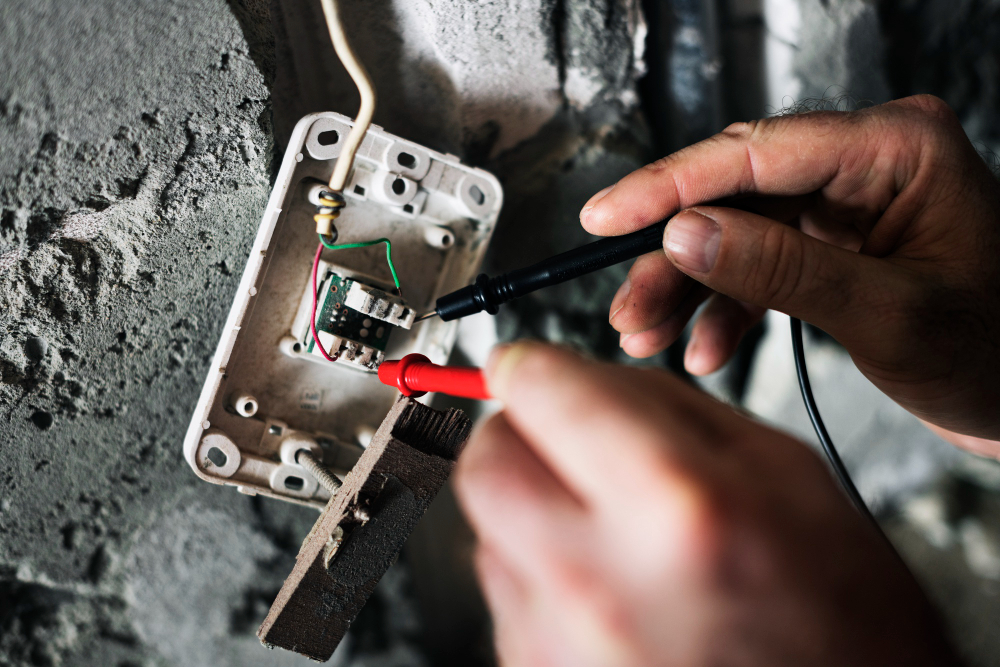
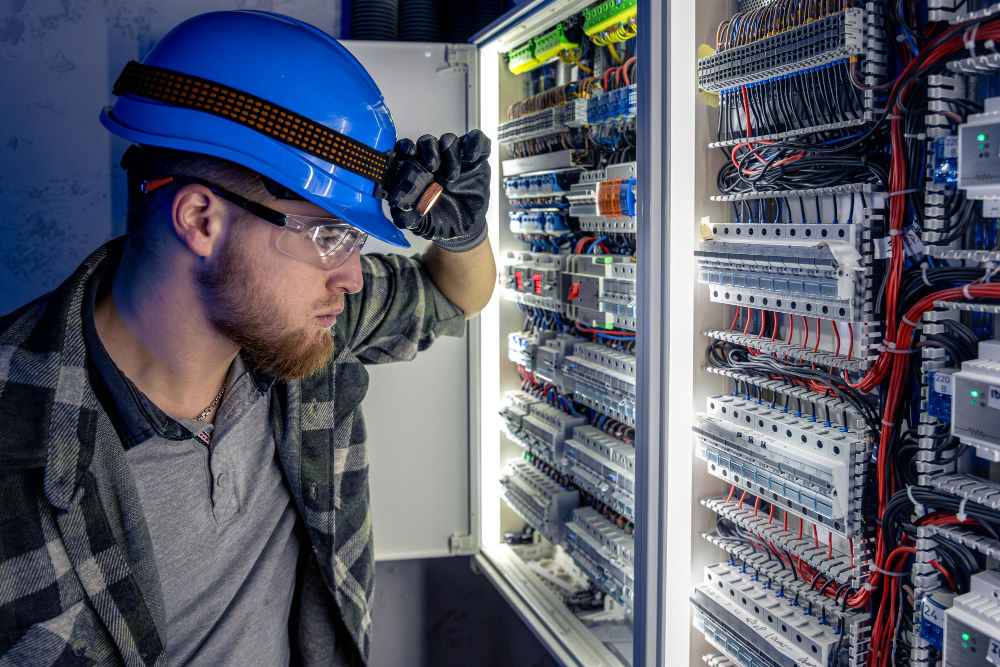
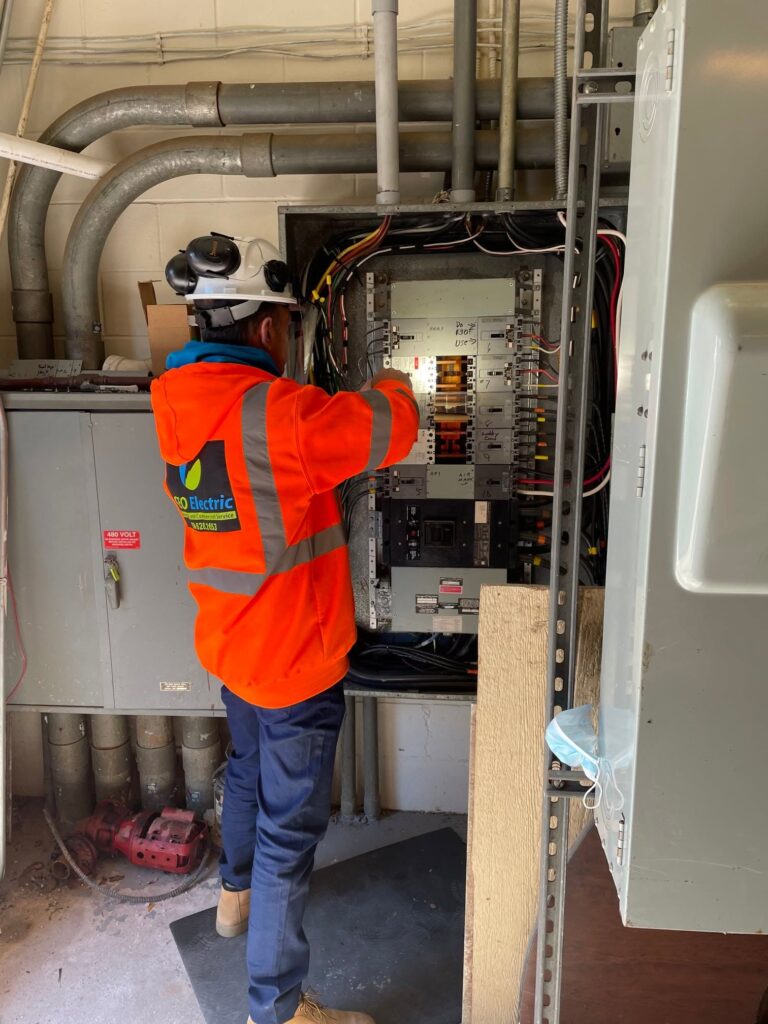
Electrical problems can sometimes remain unnoticed until they cause flickering lights, tripped breakers, damaged outlets, or more serious safety concerns. An electrical inspection in Ocean City, NJ can help homeowners understand the condition of their electrical system and identify potential issues before they become bigger problems. Whether you are purchasing a home, planning a renovation, or concerned about an electrical warning sign, knowing what an inspection covers can help you make informed decisions about your property. What Is an Electrical Inspection? An electrical inspection is a professional evaluation of accessible components of a property’s electrical system. A licensed electrician examines the system for visible damage, safety concerns, improper installations, and other conditions that may require attention. The purpose of a home electrical inspection is not simply to look at the electrical panel. Depending on the property and inspection scope, an electrician may evaluate the panel, breakers, accessible wiring, outlets, switches, grounding, and electrical safety devices. An inspection can help homeowners understand whether their electrical system is functioning properly and whether repairs, maintenance, or upgrades may be appropriate. What Does an Electrical Inspection Include? A professional electrical safety inspection can cover several important areas of your home’s electrical system. Electrical Panel and Breaker Inspection The electrical panel is an important part of any home’s electrical system. During an inspection, an electrician may examine the panel and breakers for visible signs of damage, overheating, corrosion, loose connections, or other concerns. The electrician may also look at circuit labeling and the overall condition of the panel. If a property has undergone renovations or electrical additions, the inspection can help identify concerns that may need further evaluation. Electrical Wiring Inspection Wiring is another major component of a residential electrical inspection. An electrician can inspect accessible wiring for visible signs of damage, deterioration, exposed conductors, improper connections, or modifications that may require correction. Older properties can have electrical components installed at different times, especially if the home has been renovated. An inspection provides an opportunity to identify visible wiring concerns and determine whether further professional evaluation is necessary. Outlets, Switches, and GFCI Protection Outlets and switches are used every day, but homeowners may not notice problems until an issue develops. An electrician may check accessible outlets and switches for damage, looseness, discoloration, improper operation, and other visible concerns. GFCI protection is also important in locations where electrical outlets may be exposed to moisture. If an outlet is warm, damaged, sparking, or repeatedly malfunctioning, it should not be ignored. Grounding and Bonding Grounding and bonding are important parts of electrical safety. An electrician may evaluate accessible grounding and bonding components to identify potential concerns with the electrical system. Proper grounding helps provide a safe path for electrical current under certain fault conditions and works with other protective measures to reduce electrical risks. Lighting and Electrical Fixtures An inspection may also include accessible lighting fixtures, switches, and related electrical connections. Problems such as flickering lights, damaged fixtures, loose connections, or signs of overheating can indicate that further investigation is needed. What Problems Can an Electrical Inspection Find? A professional inspection may uncover electrical concerns that are not immediately obvious to a homeowner. Common issues can include: Damaged or deteriorated wiring Overloaded circuits Loose electrical connections Damaged outlets or switches Missing or malfunctioning GFCI protection Electrical panel concerns Corrosion Signs of overheating Improper electrical modifications Ungrounded or improperly grounded outlets Aging electrical components An inspection does not necessarily mean that your home has a serious electrical problem. Instead, it provides information about the condition of the system so you can address concerns appropriately. What Are the Warning Signs You Need an Electrical Inspection? Some electrical symptoms deserve professional attention. Consider scheduling an inspection if you notice: Frequently tripping breakers Flickering or dimming lights Warm outlets or switches Burning or unusual electrical odors Buzzing or crackling sounds Sparks from an outlet Damaged electrical cords or wiring Recurring electrical problems Electrical issues following storm or water damage If you notice smoke, active sparking, burning odors, or another immediate electrical hazard, avoid handling the affected equipment and seek professional assistance promptly. When Should Homeowners in Ocean City, NJ Schedule an Electrical Inspection? There are several situations when a home electrical inspection can be particularly useful. Before Buying a Home A pre-purchase electrical inspection can help identify potential electrical concerns before you complete a home purchase. This can be particularly useful when buying an older property or a home that has undergone extensive renovations. Before a Major Renovation Kitchen remodels, additions, HVAC upgrades, and other projects can increase electrical demand. An inspection can help determine whether the existing electrical system is appropriate for planned changes. Homeowners installing an EV charger may also need to have their existing electrical capacity evaluated before installation. After Storm or Water Damage Ocean City properties can be exposed to coastal weather and storms. If electrical components have been exposed to water or sustained visible damage, professional evaluation may be appropriate before the system is put back into normal use. When Electrical Warning Signs Appear You do not need to wait for a major electrical failure. Flickering lights, unusual sounds, warm outlets, recurring breaker problems, and other warning signs can justify having the system evaluated by a licensed electrician. Why Are Electrical Inspections Important for Ocean City, NJ Homes? Local conditions and the age of a property can influence electrical maintenance needs. Ocean City has many residential properties that may have experienced renovations, additions, or changes in electrical demand over the years. Today’s homeowners may also use significantly more electrical equipment than previous generations, including air-conditioning systems, large appliances, home offices, entertainment systems, and electric vehicles. A professional electrical inspection in Ocean City, NJ can help homeowners better understand whether their existing electrical system is suitable for their current needs and planned improvements. How Often Should You Get an Electrical Inspection? There is no single inspection schedule that applies to every home. The appropriate frequency can depend on the property’s age, electrical condition, previous renovations, storm or