
Why Does My Circuit Breaker Keep Tripping in Woodbine, NJ, and When Should I Call an Electrician?
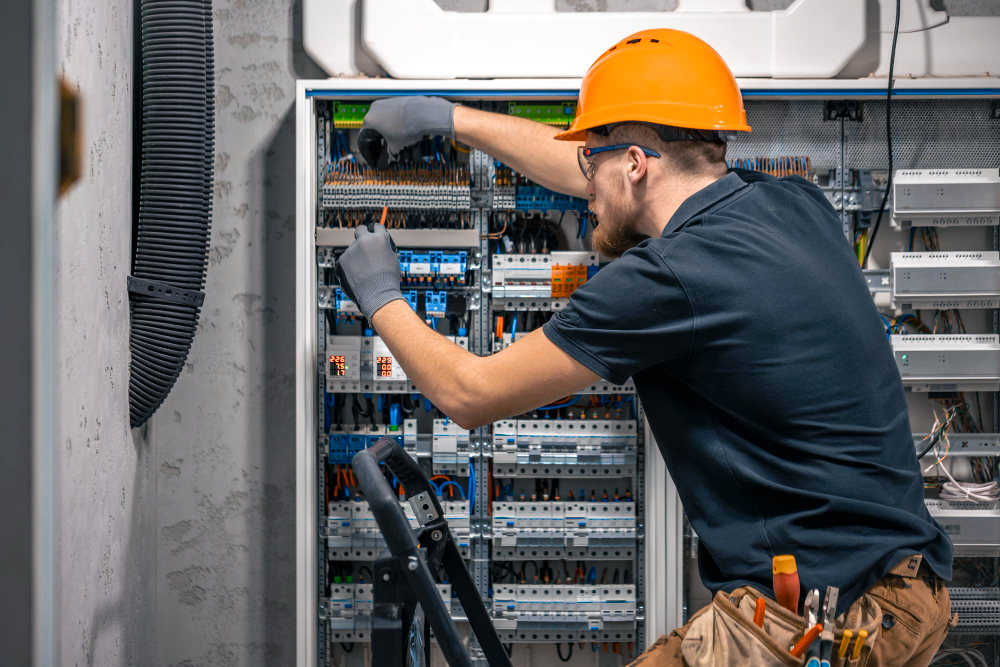
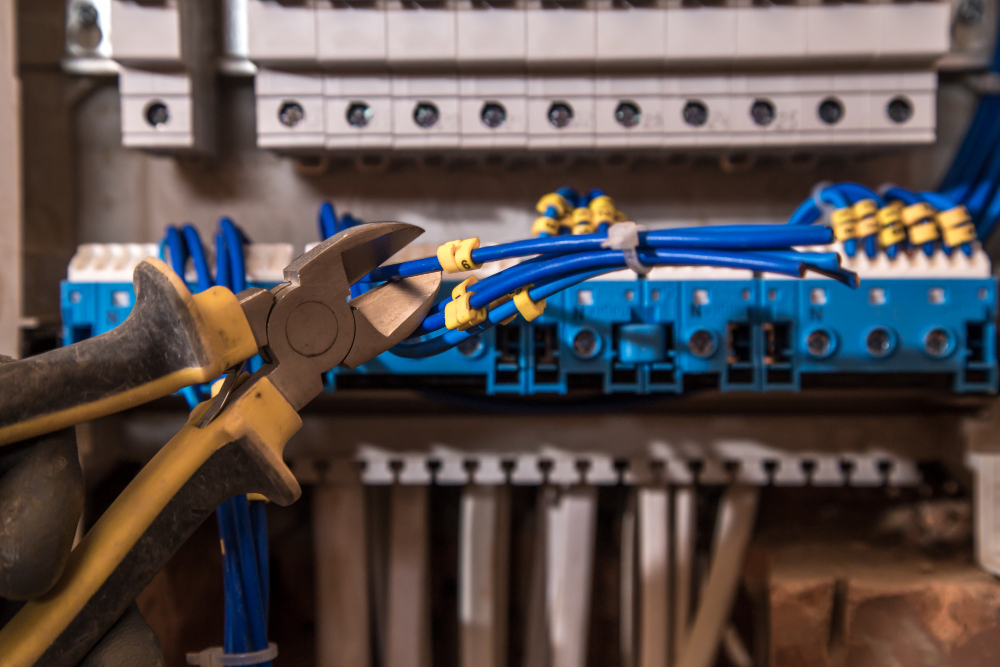
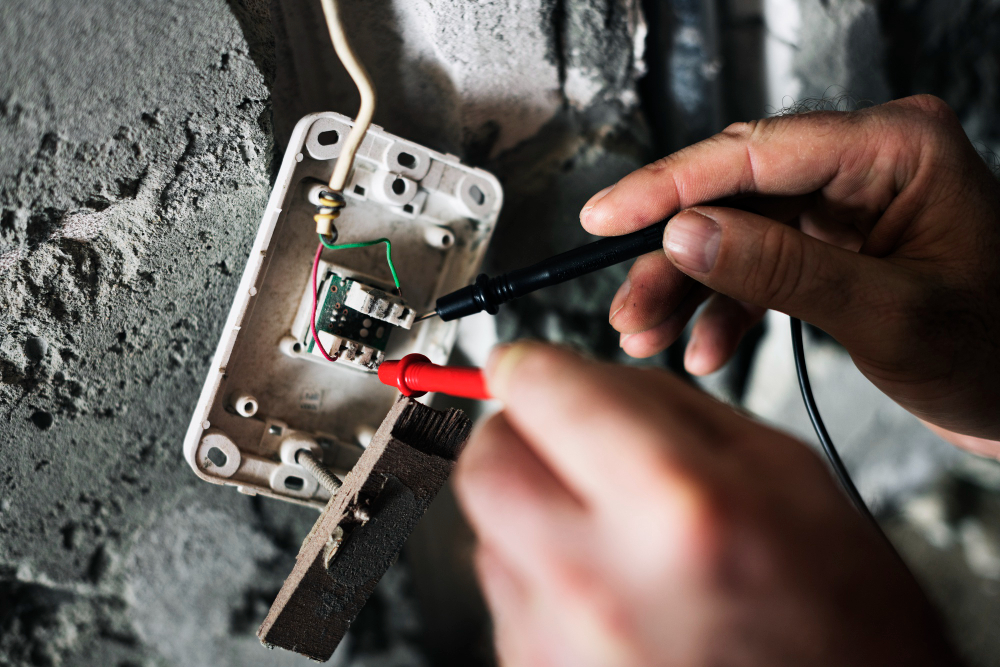
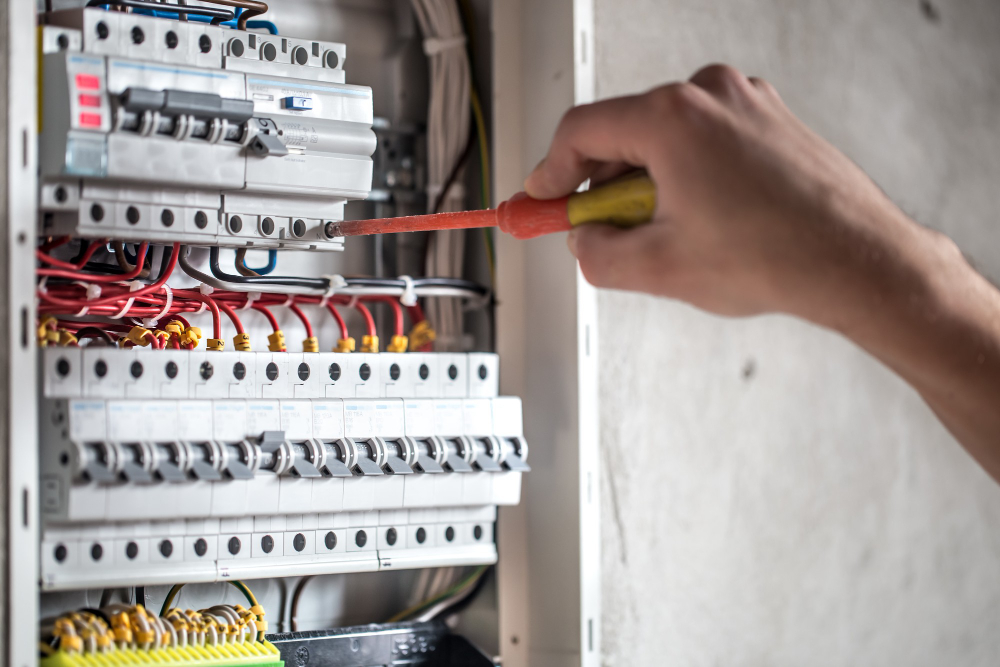
A circuit breaker that keeps shutting off is often your electrical system’s way of warning you about a problem. If you need circuit breaker repair in Woodbine, NJ, repeated trips, immediate resets, or unexplained power loss should not be ignored. A circuit breaker may trip because of an overloaded circuit, short circuit, ground fault, faulty appliance, damaged wiring, or a worn breaker. While an occasional trip can happen when too many devices are running at once, frequent breaker trips can indicate a problem that requires professional electrical troubleshooting. If the same breaker keeps tripping in your Woodbine home, GEO Electric can help identify the cause and recommend the appropriate repair. What Does It Mean When a Circuit Breaker Keeps Tripping? A circuit breaker is designed to protect an electrical circuit when it detects unsafe electrical conditions. When electrical current exceeds what a circuit is designed to handle, the breaker shuts off power to reduce the risk of overheating and electrical damage. A tripped circuit breaker does not necessarily mean the breaker itself is defective. The problem may come from an appliance, wiring, outlet, electrical panel, or excessive electrical demand. One occasional trip may result from temporary overload. However, if your circuit breaker keeps tripping, professional troubleshooting can help determine what is happening behind the symptoms. Is a Tripping Breaker Always Bad? Not necessarily. For example, plugging several high-demand appliances into the same circuit can overload it and cause the breaker to trip. After reducing the load, the breaker may operate normally. The situation becomes more concerning when the breaker repeatedly trips, will not stay reset, or shuts off even when very little electrical equipment is being used. 6 Common Reasons Your Circuit Breaker Keeps Tripping in Woodbine, NJ Several electrical problems can lead to frequent breaker trips. 1. The Circuit Is Overloaded An overloaded circuit occurs when connected devices demand more electricity than the circuit is designed to supply. Common high-demand devices include: Space heaters Microwaves Hair dryers Window air conditioners Refrigerators Portable appliances If your breaker trips when an appliance turns on, the appliance may be pushing an already heavily loaded circuit beyond its capacity. An electrician may recommend redistributing electrical loads or installing a dedicated circuit where appropriate. 2. There Is a Short Circuit A short circuit occurs when electricity travels through an unintended path, potentially allowing a large amount of current to flow very quickly. This can cause the breaker to trip immediately. Warning signs may include unusual odors, discoloration, popping sounds, or sparking around electrical components. Because short circuits can involve damaged wiring or connections, homeowners should avoid opening an electrical panel or attempting internal electrical repairs themselves. 3. A Ground Fault Is Triggering the Breaker A ground fault happens when electrical current travels along an unintended path toward the ground. Ground-fault protection is especially important in areas where electricity and moisture may be present, including bathrooms, kitchens, garages, basements, and outdoor locations. Problems involving GFCI protection, damaged wiring, or moisture exposure may cause repeated breaker or GFCI trips. 4. An Appliance or Device Is Faulty Sometimes the breaker is doing its job correctly, while an appliance connected to the circuit is causing the problem. For example, if the breaker only trips when you turn on a microwave, air conditioner, space heater, or another specific appliance, that device may have an electrical fault or may be drawing more power than the circuit can safely provide. Professional electrical troubleshooting can help distinguish between an appliance problem and an issue with the circuit itself. 5. The Circuit Breaker May Be Worn or Faulty Circuit breakers do not necessarily last forever. Mechanical wear, heat, electrical faults, or age can eventually affect performance. A faulty circuit breaker may trip unexpectedly, refuse to reset properly, or fail to operate as intended. However, replacing the breaker without checking the circuit may not solve the real problem. A licensed electrician should determine whether the issue involves the breaker, wiring, connected load, or another part of the electrical system. 6. Wiring or Electrical Panel Problems Repeated breaker trips can also result from electrical-system problems such as: Loose connections Damaged wiring Aging electrical components Undersized circuits Electrical panel problems Increased household electrical demand Older homes may also have electrical systems that were not originally designed for today’s number of appliances, electronics, HVAC equipment, and other electrical loads. In these situations, electrical panel troubleshooting or an electrical panel upgrade may be necessary. Why Does My Breaker Trip Immediately After I Reset It? If a breaker trips immediately after you reset it, especially when ordinary plug-in devices are disconnected, there may be a more serious electrical fault. Possible causes include: A short circuit A ground fault Damaged fixed wiring A hardwired appliance problem A defective circuit breaker A breaker that keeps tripping after reset should not simply be reset over and over. If the breaker trips with nothing plugged in, contact a qualified electrician who can inspect the circuit safely. When Should You Call an Electrician for a Tripping Breaker? Consider scheduling electrical repair in Woodbine, NJ when: The same breaker repeatedly trips. The breaker immediately trips after resetting. The breaker trips with little or nothing connected. Lights flicker or dim unexpectedly. Outlets or switches are behaving abnormally. You hear buzzing near the electrical panel. The breaker or panel appears damaged. You cannot determine what is causing the trip. A qualified electrician in Woodbine, NJ can test the circuit, inspect the breaker, evaluate connected loads, and determine whether wiring or panel repairs are necessary. When Is a Tripping Breaker an Electrical Emergency? Seek professional assistance promptly if breaker problems occur together with: Smoke Active sparking A burning smell Electrical shock Water near electrical equipment Excessive heat Visible electrical damage If there is an immediate electrical hazard, avoid touching damaged equipment and prioritize safety. Can You Keep Resetting a Circuit Breaker That Trips? Repeatedly resetting a tripping breaker without identifying the cause is not a proper repair. If an obvious overload caused one trip, reducing the number